
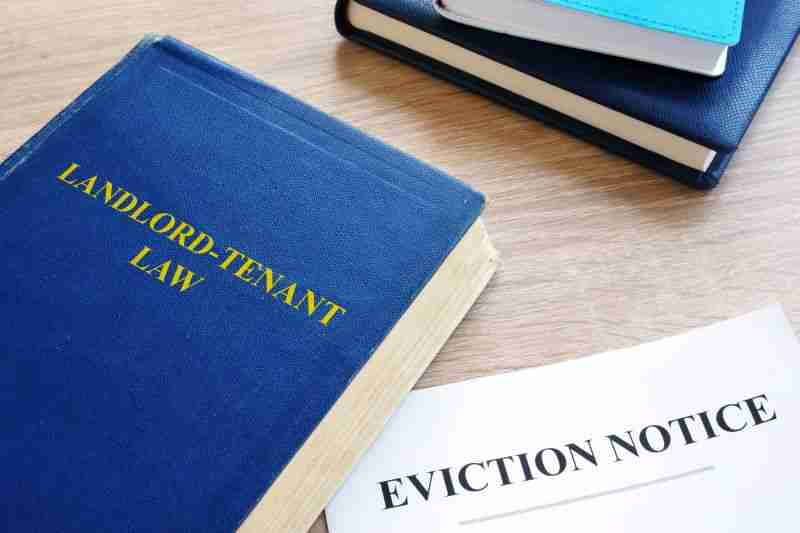
 This is the next article in my series on the handling of eviction cases in Melbourne and in other parts of Florida. My last article provided an overview of topics which this series will be addressing. It also stressed the need to speak with an attorney as soon as possible if you need to remove a tenant from your property. It is important that you speak with counsel immediately so that you may avoid any unnecessary delays. In this article I will be providing a general overview of the process involved with removing a tenant. If you are a property owner in need of assistance then contact my office today to speak with a lawyer.
Evicting a Florida tenant begins by serving a “Notice to Quit”
The first step in the process of evicting a Florida tenant is to serve a “Notice to Quit.” This informs the tenant that they must either correct a problem (if the problem can be corrected) or vacate the property within a certain amount of time. The amount of time required to be given depends on the reasons for which the notice is being given. The most common reason for an eviction is the failure to pay rent, which requires a three day notice. Other violations may require a lengthier notice. If the tenant cures the violation (i.e. pays unpaid rent) before the end date of the notice then the landlord may not proceed with an eviction. If the reason for the eviction is one that cannot be “cured,” such as criminal activity or destruction of the property, then the tenant must leave the property by the end of the Notice period. Whether or not a problem is “curable” is an issue which should be discussed with an attorney.
If the tenant voluntarily vacates the property before the passing of the Notice date then the landlord may reclaim the unit. If the tenant does not leave the property by the end of the Notice then the landlord may file an eviction. A Complaint and Summons will be filed with the Court. These documents will be served on the tenant and they must file a response within five business days. If a response is not filed then the landlord may request that the Court enter a default judgment. While not always the case, the majority of tenants fail to respond to a Complaint. Once the default judgment is entered then the landlord may obtain a Writ of Possession, which the Sheriff will serve on the tenant. The Sheriff will also require that they vacate the property. The landlord may then reclaim the property, change the locks, etc.
It is important that Florida landlords follow the eviction process rather than engaging in “self-help”
Florida law requires that the above-mentioned eviction process be followed by landlords who are attempting to remove someone from their property. Unfortunately, landlords sometimes engage in “self-help.” This can take the form of the landlord attempting to enter the property and removing the tenant’s belongings, the landlord changing the locks, the shutting off of utilities, and more. Engaging in such conduct on one’s own, and not going through the legal process, amounts to a violation of the tenant’s rights. This can result in the tenant not being required to leave the property and civil liability against the landlord. The most sure way to remove a tenant, and to ensure that all rules are followed, is to retain an attorney to assist you.
I am a Melbourne eviction lawyer who assists Florida landlords with the removal of tenants. I understand that time is of the essence in such matters and my firm will make your case a priority. If you are in need of assistance then contact my office online or by telephone today to schedule an initial consultation. We look forward to speaking with you. We also serve those in the areas of Titusville, Cocoa, Palm Bay, Grant, Valkaria, and Rockledge, as well as in the Indian River County areas of Fellsmere, Sebastian, Vero Beach, Indian River Shores, and Orchid.