
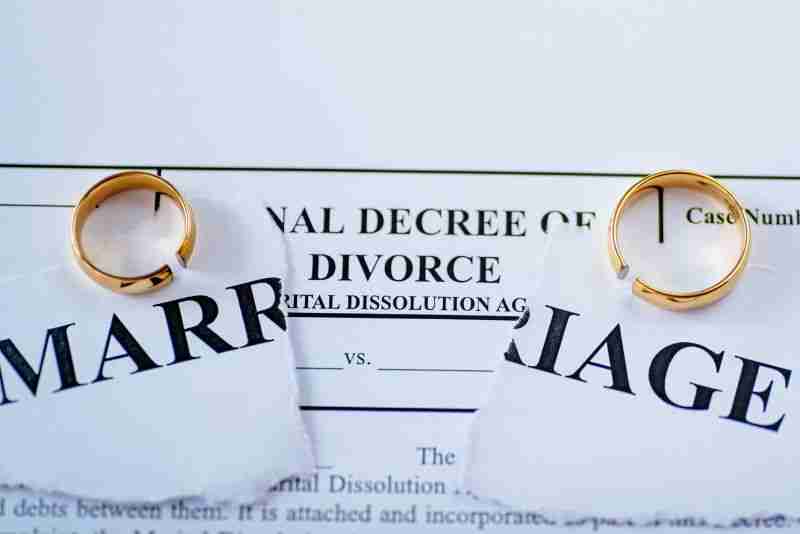
 This is the next article in my series on enforcing the terms of a Decree of Divorce in our state. My last article explained that Florida likely has a twenty-year statute of limitations for enforcing a Divorce Decree. It should be noted, however, that our state Supreme Court has not ruled on this issue as of this writing. It is important to discuss your situation with an attorney, as soon as possible to determine whether you may still bring an action before the Judge. In this article, I will be discussing the ability to require a spouse to remove one’s name from a debt after the case is completed. If you or a family member are in need of assistance then contact my office today to speak with a Melbourne lawyer.
It is common for a Divorce Decree to include a requirement that a spouse remove their counterpart from certain debts. Such debts may include mortgages, car loans, credit cards, and more. If the spouse who is keeping an asset, and bearing responsibility for any debt, fails to remove the other’s name then the Court may force the sale of assets and/or hold them in contempt. Ensuring that one’s name is removed from any debts can be crucial as not doing so can result in damage to a credit report, collective actions, and more. Some of this damage can be difficult, if not impossible, to “undo.”
Consider this hypothetical. Jack and Jill file for divorce and settle the matter. In their settlement, Jack will keep the car which he normally drives. The car is secured by an auto loan. Both the loan and title are in the name of Jack and Jill. Per the terms of the divorce, Jack is to either a) pay off the car immediately and remove Jill’s name from the title or b) refinance the vehicle into his name only. Sixty days after the divorce is completed, Jill begins to receive notices that the loan is delinquent; Jack has not refinanced the vehicle and has stopped making payments. This has negatively impacted Jill’s credit. Jill may file a Motion with the Court. If Jack cannot correct the situation immediately, the Court may order that he sell the car (and potentially other assets) to clear the debt. He may also be required to reimburse Jill for the damage to her credit score. It must be remembered, however, that how the Court will rule in any given situation is always going to depend on the facts of the matter.
The example above shows how problems can arise when one spouse fails to honor their obligations under a Divorce Decree. A key part of dealing with such problems is to prevent them from happening in the first place. When negotiating the terms of a Decree, it is important to be realistic as to what one side may or not be able to do. If, for example, the Decree requires one side to refinance a debt, but they have bad credit, then a lack of compliance becomes likely. In such a situation, it would likely be a better option to require that the spouse sell any necessary assets to clear the debt, as opposed to relying on them to refinance it. There are, obviously, situations in which paying off a debt immediately simply is not possible. An experienced attorney can assist you a) working to ensure that problems do not arise in the first place and b) dealing with any problems after they arise.
If you are dealing with post-Decree issues involving debt then contact my office today to speak with a Melbourne divorce lawyer. I devote a substantial portion of my practice to domestic relations law and I understand that this is an important time in your life. My office will give your case the time and attention it both needs and deserves. We look forward to speaking with you. My firm also services Florida clients in the Brevard County cities of Titusville, Cocoa, Palm Bay, Grant, Valkaria, and Rockledge, as well as in the Indian River County areas of Fellsmere, Sebastian, Vero Beach, Indian River Shores, and Orchid. We are also able to virtually work with clients throughout the state.