
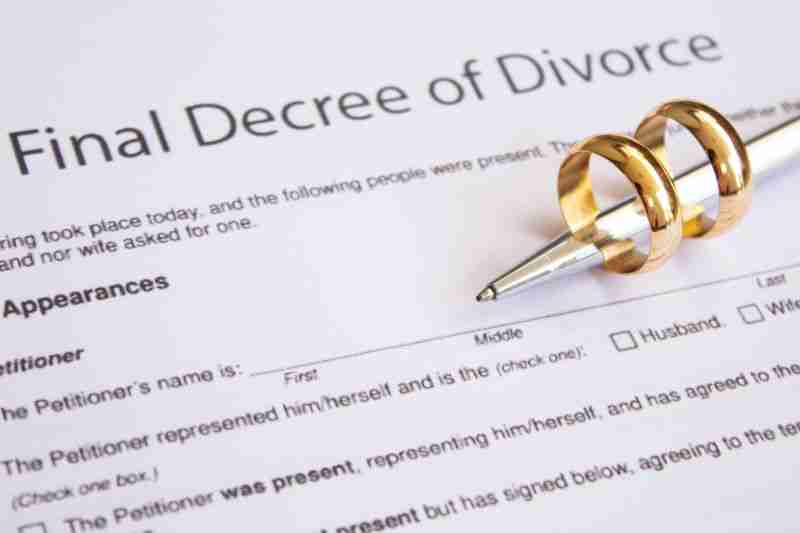
 This is the next article in my series on enforcing a Divorce Decree in the state of Florida. My last article provided an overview of topics which this series will be addressing. It also stressed the need to speak with an attorney as soon as possible if you or a loved one are in need of assistance. It is important that you speak with counsel sooner, and not later, as you may only have a short time left to enforce your rights. In this article, I will be discussing our state’s statute of limitations in regard to enforcing the terms of a Decree. If you need immediate help then contact my office today to speak with a Melbourne lawyer.
Florida residents will typically have twenty years to enforce the terms of a Divorce Decree
Florida provides much more time for a spouse to enforce the terms of a Divorce Decree than what is found in some other states. Nevada, for example, only provides a spouse with six years, after the completion of a case, to enforce the terms of a Decree. Our twenty-year limitation comes from Florida Statute 95.11(1). This statute states that actions based upon the Decree of a Court must be brought within twenty years. This means that a spouse will have two full decades to bring a claim against their former spouse for unpaid alimony, unpaid proceeds of a property settlement, and more. Importantly, as discussed below, the doctrine of “laches” likely would not apply to a claim brought against a former spouse.
While twenty years may sound like one has an eternity in which to bring a claim, it is quite common for spouses to not enforce their rights for a variety of reasons. Some spouses may not enforce their rights out of a desire to avoid conflict, while others may not be aware that an issue exists. Consider the following example. Jane Doe divorces her husband, John. Jane receives the marital residence and a large cash payout. The Decree also requires that John pay off an existing lien on the house, which was filed by a contractor. Twenty-five years later, Jane decides she wishes to move to the West Coast to be closer to family members. When she goes to sell her home, however, the lien is still in place (the contractor never took any additional action against the property after the lien was filed). She is able to contact John and demands that he pay off the lien. John refuses. Jane will be unable to take action against John as she has waited more than twenty years. This example shows how the statute of limitations will generally operate.
While our state Supreme Court has not ruled on the issues, it is likely that the doctrine of laches generally will not apply to the enforcement of a Divorce Decree. This doctrine can serve as a bar to the bringing of a claim, even if it is within the statute of limitations. This bar will apply if an unnecessary delay in asserting one’s rights caused prejudice to the other party. Laches is foreclosed as a defense under Florida Statute 95.11(7). It must be noted, however, that this barring of the laches defense will likely only apply if the dispute involves a right specifically listed in the Divorce Decree. If the claim is based on a separate agreement between the spouses, not specifically listed in the Decree, then it will likely need to be brought within five years. Florida Statute 95.11(2)(a). The determination of a statute of limitations, however, can involve complicated issues of fact and law. Consulting with an attorney about one’s specific situation is crucial.
Contact a Melbourne divorce lawyer for assistance with enforcing your Decree
If you are involved in a post-Decree dispute then it is important that you speak with an attorney as soon as possible. As mentioned above, the Florida Supreme Court, as of this writing, has yet to specifically rule on these issues. Also, other legal arguments may be raised to allege that a claim should be barred. If you need to enforce a Decree, and your claim is time-barred, then you will have lost the ability to assert your rights. As a Melbourne divorce lawyer, I am able to assist with such matters. I pride myself on providing a high level of service and we look forward to being of assistance. Contact us online or by telephone today to schedule an initial consultation. We look forward to speaking with you.
My firm also services Florida clients in the Brevard County cities of Titusville, Cocoa, Palm Bay, Grant, Valkaria, and Rockledge, as well as in the Indian River County areas of Fellsmere, Sebastian, Vero Beach, Indian River Shores, and Orchid. We are also able to virtually work with clients throughout the state.